



28
July 2025
Strength in Synergy: How Operational Cooperation Is Powering the Air France-KLM Group Forward
In today’s dynamic and often unpredictable operating environment, adaptability and collaboration are essential. At Air France-KLM, the Group’s airlines are joining forces more than ever to meet operational challenges, ensure business continuity, and build long-term resilience. From sharing pilot resources to deploying common tools and systems, recent initiatives highlight how cross-entity cooperation is becoming a strategic asset — one that makes each airline, and the Group as a whole, stronger.

Air France Pilots on KLM Flights: A First-of-Its-Kind Initiative
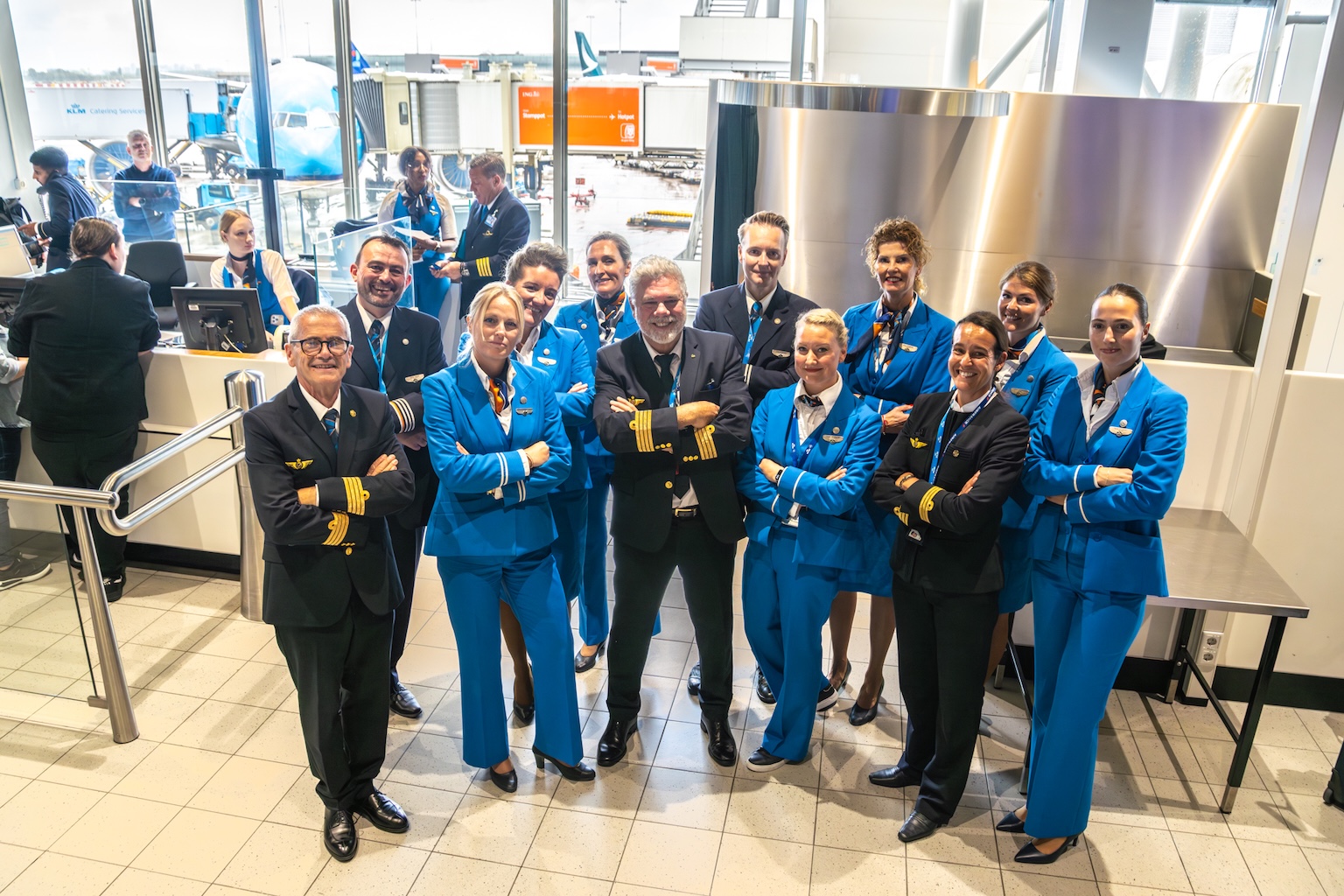
This year – and for the first time in the Group’s history – Air France pilots are operating KLM flights between Amsterdam and New York. The flights, which take place from July 16 to October 26, 2025, are performed on KLM Boeing 777 aircraft and include KLM cabin crew on board. This targeted solution was designed to help KLM manage a temporary shortage of qualified Boeing 777 crews during the peak summer period.
The initiative was developed in just three months by the Group Transformation Division in collaboration with teams from both airlines. Around 200 employees representing a wide range of job functions — including flight operations, safety, maintenance, ground handling, IT, human resources, and legal affairs — came together to bring this project to fruition in record time. Key elements included securing regulatory clearance from Dutch and French authorities, aligning with pilot and cabin crew unions, adapting operational documentation, integrating IT systems, defining joint protocols, and launching dedicated training courses. The speed and precision with which the project was delivered underscore the Group’s capacity for agile, cross-functional execution.
Coordinated Responses to Shared Challenges
This spirit of cooperation is also visible in other operational areas. To maintain flight continuity and protect airport slots, KLM Cityhopper will rely on Hop! to operate three Embraer E190s across three seasons beginning with the winter 2025 schedule. Meanwhile, Hop! is already flying the Nantes–Amsterdam route, offering a ready-made operational framework that can be scaled to support wider needs.
Meanwhile, as KLM prepares to introduce its first Airbus A350 aircraft in 2026, a joint pilot training solution has been implemented. Beginning in September 2025, KLM pilots with previous Airbus experience will begin flying A350s operated by Air France, under the guidance of Air France instructors. This practical arrangement enables pilots to build the required qualifications while supporting ongoing operations at Group level.
Shared Systems to Drive Efficiency and Standardization
Beyond crew resources, the Group is also leveraging synergies through shared tools and digital platforms. A new joint flight dispatch system is being rolled out across Air France, KLM, and Transavia, along with a shared internal information platform for flight schedules and operational updates. These shared tools promote consistency, reduce duplication, and enhance responsiveness during irregular operations — all while unlocking meaningful economies of scale.
In parallel, the use of the SARA FDM (Flight Data Monitoring) flight analysis tool across Air France, KLM, Transavia, and Hop! enables the Group to consolidate flight safety data and develop common dashboards. This alignment strengthens risk analysis and prevention, contributing to a safer operating environment for all carriers.
A Model for Collective Resilience
Together, these projects reflect a pragmatic and purposeful approach: designing solutions that are efficient, replicable, and adapted to operational realities. They also signal a broader force within the Group — expanding an existing model of collaboration that leverages internal complementarities and shared responsibility.
As the aviation industry continues to evolve, these synergies are positioning Air France-KLM to respond with agility and confidence. By pooling expertise, reallocating resources when necessary, and investing in common systems, the Group is reinforcing each of its airlines while reinforcing collective performance. In every area of operations, these initiatives confirm a clear truth: as a group, Air France-KLM is stronger than the sum of its parts.


We recommend these articles
to continue reading:

